

Welcome to your essential guide for tackling damp and mould in your home. Here, you’ll find practical tips and expert advice to identify, prevent, and address these common household challenges, ensuring a healthier, more comfortable living environment.
Understanding Damp and Mould
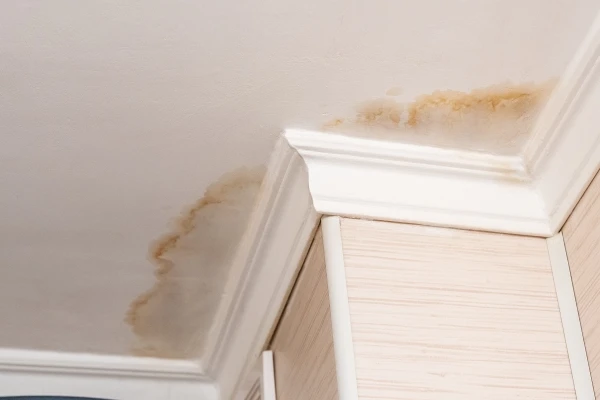
Have you noticed stains or white tidemarks on your walls or ceiling? Perhaps your home feels unusually damp, or you’ve spotted mould on walls, furniture, and even clothing. These issues often arise from water leakage, possibly from pipes or the roof, or due to a faulty damp-proof course. The white marks you see are typically salt residues from the water.
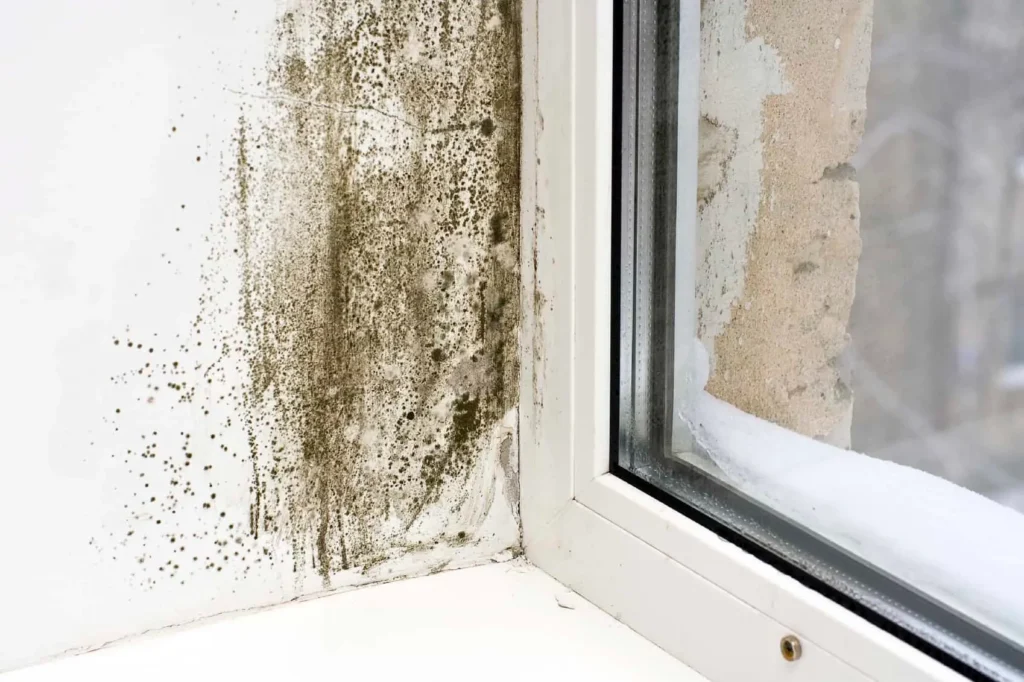
Mould on ceilings and walls, particularly in corners or behind furniture, is usually a sign of condensation. This happens when warm, moist air meets a cooler surface, like a wall or window, transforming into water droplets. It’s crucial not to ignore this. By following the practical advice in this guide, you might be able to resolve the issue independently.
Strategies for Combatting Mould
Act swiftly at the first sign of mould! Regular household activities, including cooking, washing, and even bathing, can produce a surprising amount of moisture. Double-glazed windows can trap moisture inside, so it’s essential to keep trickle vents open and unobstructed. Mould thrives in areas with poor air circulation, such as behind cupboards or in north-facing walls, which are cooler and more prone to condensation.
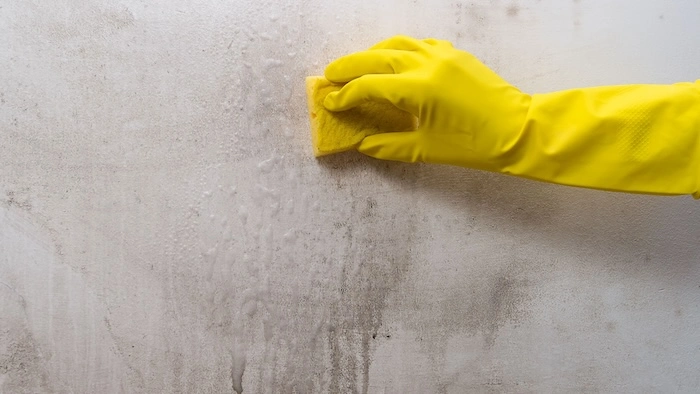
Re-decorate with a fungicidal paint to prevent the problem re-occurring once you have treated it
To eradicate mould, clean affected areas with a fungicidal wash, available at local hardware or DIY stores. Consider dry cleaning clothes affected by mildew and shampooing your carpets. To prevent future occurrences, redecorate with a fungicidal paint once the mould is treated.
Reducing Moisture and Enhancing Ventilation
Cooking
Cooking for 3 hours can release 3 pints of moisture into your home’s air. Keep the kitchen door closed to contain this moisture, and open windows briefly to release steam.

3 Hours of Cooking = 3 Pints of moisture released into the air. Keep your kitchen door closed to stop moisture escaping to other areas of your home.
Doing Laundry
When using a tumble dryer, ensure it’s vented outside, or the room is well-ventilated. If you lack outdoor space for drying clothes, open a window or use a fan. Drying clothes indoors can add approximately 10 pints of moisture to the air. Avoid drying clothes on radiators; if necessary, ensure a window is open.

If you don’t have any outside space to dry your laundry, open the window or put your fan on. Don’t dry your washing on the radiators (if you do, open a window).
Bathing and Showering
Start with cold water in the bath before adding hot to minimise steam production, which equates to around 2 pints of moisture. Be mindful to avoid water splashes on non-tiled surfaces, and always use a shower curtain. If you don’t have vents or extractor fans, opening a window briefly during and after bathing can help with ventilation.
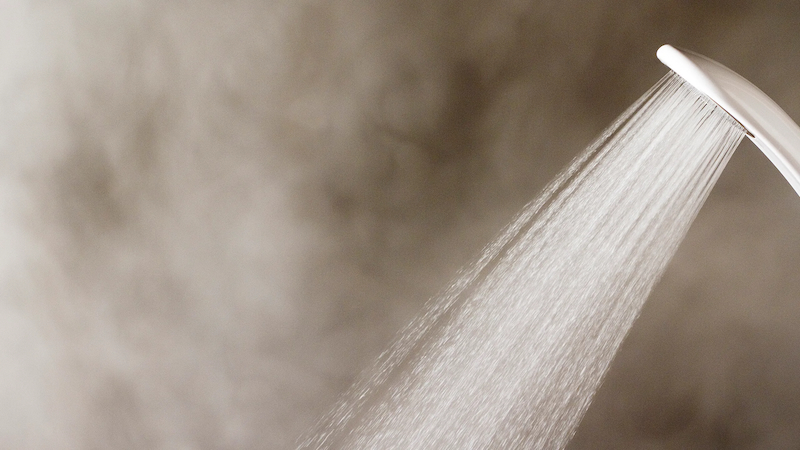
When bathing avoid splashing water over tiles and always use a shower curtain
Improving Ventilation in Your Home
Improving ventilation in your home is key to preventing damp and mould. If your home lacks built-in vents or extractor fans, a simple yet effective method is to open windows briefly during and after activities like cooking or bathing. This helps expel moisture-laden air.
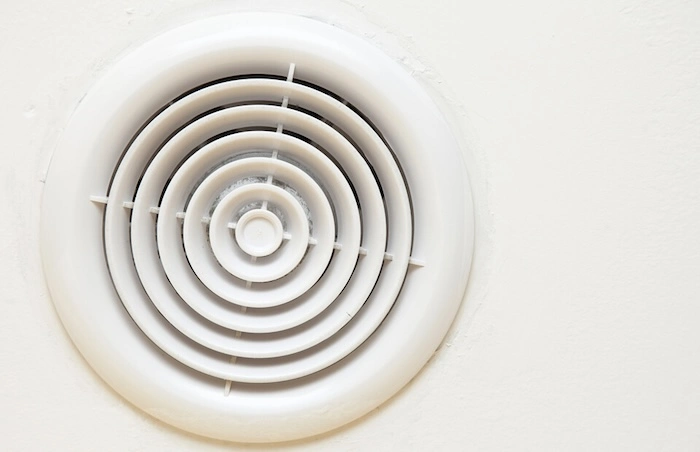
For homes equipped with vents or extractor fans, it’s crucial to regularly check and ensure they’re in proper working order and not obstructed. When arranging furniture, try to place wardrobes and similar items against internal walls instead of external ones, as internal walls tend to be warmer and less prone to condensation.
Position wardrobes and other furniture against internal walls rather than colder external ones where possible
Efficiently Heating Your Home
Proper heating plays a vital role in reducing dampness and mould. Avoid blocking radiators with furniture or curtains, as this restricts heat circulation. Utilise timers and thermostats to manage your heating effectively. Keeping doors closed helps retain heat and reduces moisture spread.
Maintain a comfortable and healthy indoor temperature, ideally between 18-21°C, especially when active. Turning off your heating can exacerbate condensation issues, so keep your home consistently warm. If you’re facing difficulties with heating bills, seek advice from our Energy Advice Team.
Further Information
As a council tenant, managing condensation and preventing damp are part of your responsibilities. We’re here to support you with advice, and where feasible, we can install extractor fans and vents to aid in moisture control.
For more tailored advice on energy saving and managing heating expenses, contact our Energy Advice Team at energyvice@www.lambeth.gov.uk or visit www.lambeth.gov.uk/energy for further resources.
If you have any questions or for more information, feel free to reach out to the Cowley RMO office at 020 7926 0690. We’re committed to assisting you in maintaining a healthy, damp-free living environment.
0 Comments